Frank Lloyd Wright, history, iowa

The Hope Rogers Story: From Mental Illness … to Making a Difference

07/03/2025

I was so pleased and proud to accept a 2025 George Mills and Louise Noun Popular History Award from the State Historical Society of Iowa in Des Moines on June 26th! I received a wonderfully unexpected certificate of recognition for my article, “The Hope Rogers Story,” which was originally published in the May 2024 issue of The Iowa Source.

It was an absolute honor and joy to know the remarkable Hope Sankot Rogers (1924-2023) in the final years of her long, extraordinary life. The grandniece of Frank Lloyd Wright, Hope rose from being a hardscrabble Iowa farmwife to a trailblazing politician who bravely, publicly revealed her journey through a past mental health crisis. I am working now on publishing a newly expanded version of Hope’s powerfully and beautifully-written memoir Time and the Human Robot. This little award provides some mighty encouragement!

I’m so pleased to be able to reshare “The Hope Rogers Story” with you here on This American House. It can also be found at Iowa Source.  
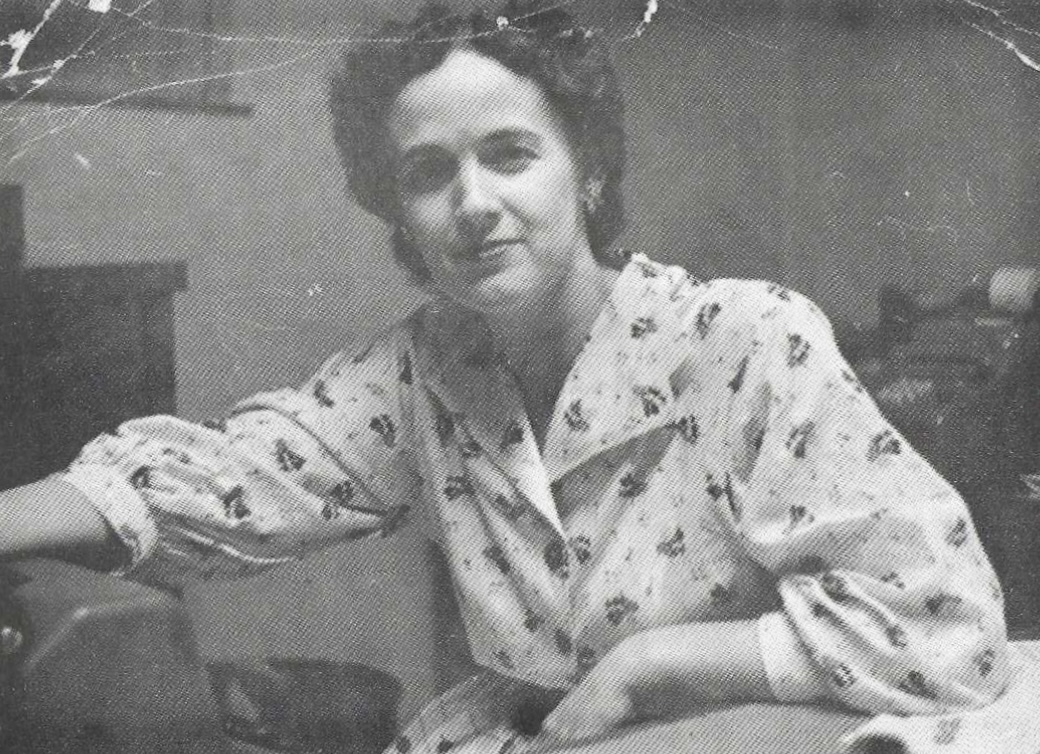
Hope Rogers at work at the Benton County Social Welfare Office in 1955

“When I waked from my ninth electric shock treatment at the Independence, Iowa Mental Health Institute in March of 1953, I discovered what I really was. I was an animal.”

Continue Reading…
Warning: Undefined variable $post in /var/www/html/wp-content/plugins/hemlock-core/inc/social_share.php on line 22

Warning: Attempt to read property "ID" on null in /var/www/html/wp-content/plugins/hemlock-core/inc/social_share.php on line 22
Frank Lloyd Wright, iowa

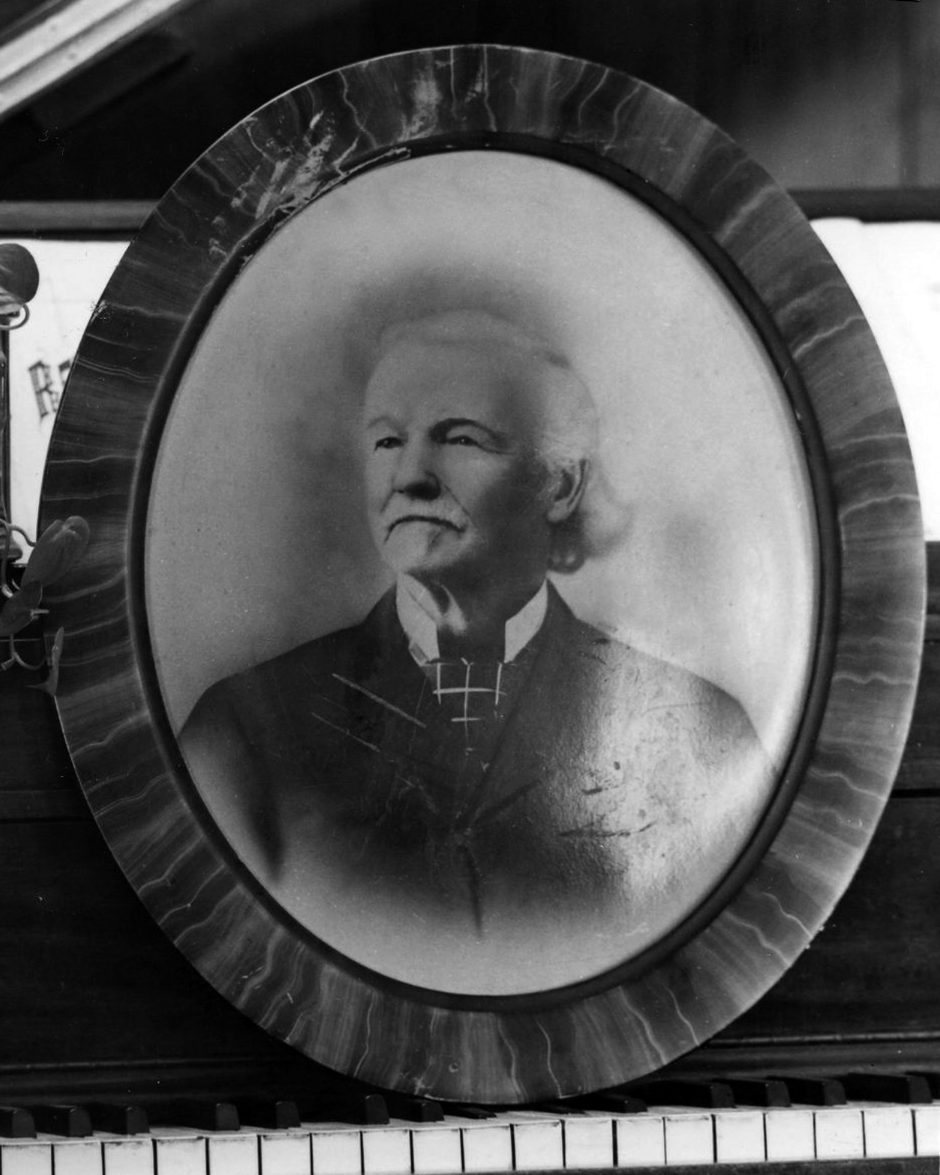
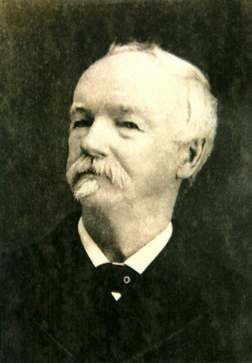
The Architect’s Father: A Reconsideration of William Cary Wright, The Father of Frank Lloyd Wright

07/16/2023

A THIS AMERICAN HOUSE EXCLUSIVE

Hope Rogers can be forgiven for not remembering her one meeting with Frank Lloyd Wright—she was just four years old at the time. It was 1928, and her world-famous great-uncle had materialized at a family reunion hosted by Hope’s parents, Frank and Frances Heller Sankot, on their farm near Belle Plaine, Iowa. Hope’s grandmother, Elizabeth “Lizzie” Wright Heller, was also there that day to greet her half-brother, Frank Lloyd Wright, whose stellar career—and much-publicized scandals—Lizzie had closely followed, even though the two siblings had not remained in close contact through the years. But as Hope was later told, “Frank took such a fancy to my 11 year old brother, Herb Sankot, that Frank said he ‘wanted to take Herb back to Taliesin with him and make an architect of him.’ Whereupon Lizzie told her brother he ‘was not a fit person to raise a child.’ They had a terrible argument, both probably saying unforgivable things so that Frank later left Lizzie out of his autobiography and she came near leaving Frank out of hers.”

Not only was Elizabeth Wright Heller left out of Frank Lloyd Wright’s autobiography, but she has received scant mention in the many biographies and writings about her half-brother that have appeared in the 95 years since their last encounter. Meanwhile, any mention made of the father they shared, William Cary Wright, has typically acknowledged his musical influence on his famous son, but has also dismissively characterized him as a drifter who ultimately abandoned his family. Some recent scholars—including Paul Hendrickson in his 2019 book Plagued by Fire: The Dreams and Furies of Frank Lloyd Wright—have taken aim at righting this misperception by pulling William Cary Wright more fully out of the shadows to which he has long been consigned. But Hope Rogers, who celebrated her 99th birthday this February, remains the indefatigable caretaker and champion of her great-grandfather and grandmother’s legacies, hopeful that both will more widely and lastingly find their “Wrightful” places in the extraordinary story of their famous family.

Elizabeth Wright Heller and her granddaughter, Hope Sankot (later Rogers), during the years of Lizzie’s musical mentorship, and their work together on Lizzie’s memoir. (Images courtesy of Hope and Mary C. Rogers)

William Cary Wright was a composer and teacher of music—and also at times a minister, lawyer, and doctor—from whom both Lizzie and her half-brother Frank learned piano and developed a lifelong appreciation for music. Frank Lloyd Wright would often cite the tremendous inspiration and impact of Beethoven, Bach, and Brahms on his work, once stating, “Never miss the idea that architecture and music belong together. They are practically one.” His father “is still a grossly underappreciated force in shaping Frank’s creative method,” says the music historian David Patterson, who in 2013 produced the first CD recording of a selection of William’s music. “The lessons that he taught about music were especially potent, working their way into Frank’s fundamental notions of architecture” (Patterson 2013).

Continue Reading…

Warning: Undefined variable $post in /var/www/html/wp-content/plugins/hemlock-core/inc/social_share.php on line 22

Warning: Attempt to read property "ID" on null in /var/www/html/wp-content/plugins/hemlock-core/inc/social_share.php on line 22
American System-Built Home, city boys, iowa, small town life

It’s Time to Pass the Meier House to New Stewards

05/19/2022

On November 13, 2013, two young(ish) men, idealistic dreamers from Chicago, were handed the keys to Iowa’s only American System-Built Home. Attracted to a life of rural tranquility in an historic old house, these two men envisioned a future in which they’d transition away from the hustle and bustle of city life and settle full time in bucolic small-town Iowa. Until then, they would make the five-hour drive from the city to the country every other weekend. They would restore the house, collect its stories, and, maybe someday, even publish a book about it.

Eight years and hundreds of thousands of miles on the car odometer later, those two men are a little older and maybe a little less idealistic. They’ve driven through torrential downpours and blizzards, through darkness and hail, past deer lingering in the roadway and accidents on the interstate. Weekends have been spent stripping woodwork and painting exterior trim; rehabbing bathrooms and freshening up the kitchen; reaping and sowing homegrown vegetables in the backyard garden. They met with former owners who regaled them with the tales of this majestic old house. They started a blog and then turned it into a book.

At some point, probably around 2018, our two dreamers started to awaken to reality. Moving from Chicago to Iowa on a full-time basis was not going to be possible. Their careers, as well as longtime friends who are more like family, were going to keep them anchored to Chicago for the foreseeable future. They found ways to spend longer stretches at the Meier House, taking advantage of holiday weekends and work-from-home policies. The early days of the Coronavirus pandemic provided them the opportunity to spend weeks-long stretches at the house. They made great progress on house projects but they also had an opportunity to pause and consider what they were doing. And that, you might say, was the beginning of the end.

We’re coming up on our ninth anniversary as stewards of the Meier House. Nine years of long drives and long projects. Although we’re loathe to admit that aging is slowing us down, there’s no denying that we’re not as energetic as we used to be. That’s why we’ve made the difficult decision to sell the Meier House.  

There’s a part of us that wishes we could stay; that we could continue restoring this historic old house and sharing its stories with Frank Lloyd Wright fans. But that part of us also wishes that we could somehow slice open the earth, grab Iowa by the border and drag the house two hours closer to Chicago. You know, if we can’t get to the house, let’s bring the house to us! If only that were feasible!

There’s this BBC sitcom called Ghosts that we recently watched. It’s about a young couple who inherit a rundown, old castle and, due to an unfortunate accident, the ghosts who inhabit it suddenly become visible to one of them. Living in the Meier House and collecting the stories of its previous owners has been a bit like that. No, we haven’t seen any spirits in the house. And we haven’t experienced comedic situations that always resolve themselves within 22 minutes. But we have lived amongst the ghosts of this old house. By meeting previous owners and their relatives, we made the walls of the Meier House talk. We inhabited their stories and, in turn, tried to do right by the house.

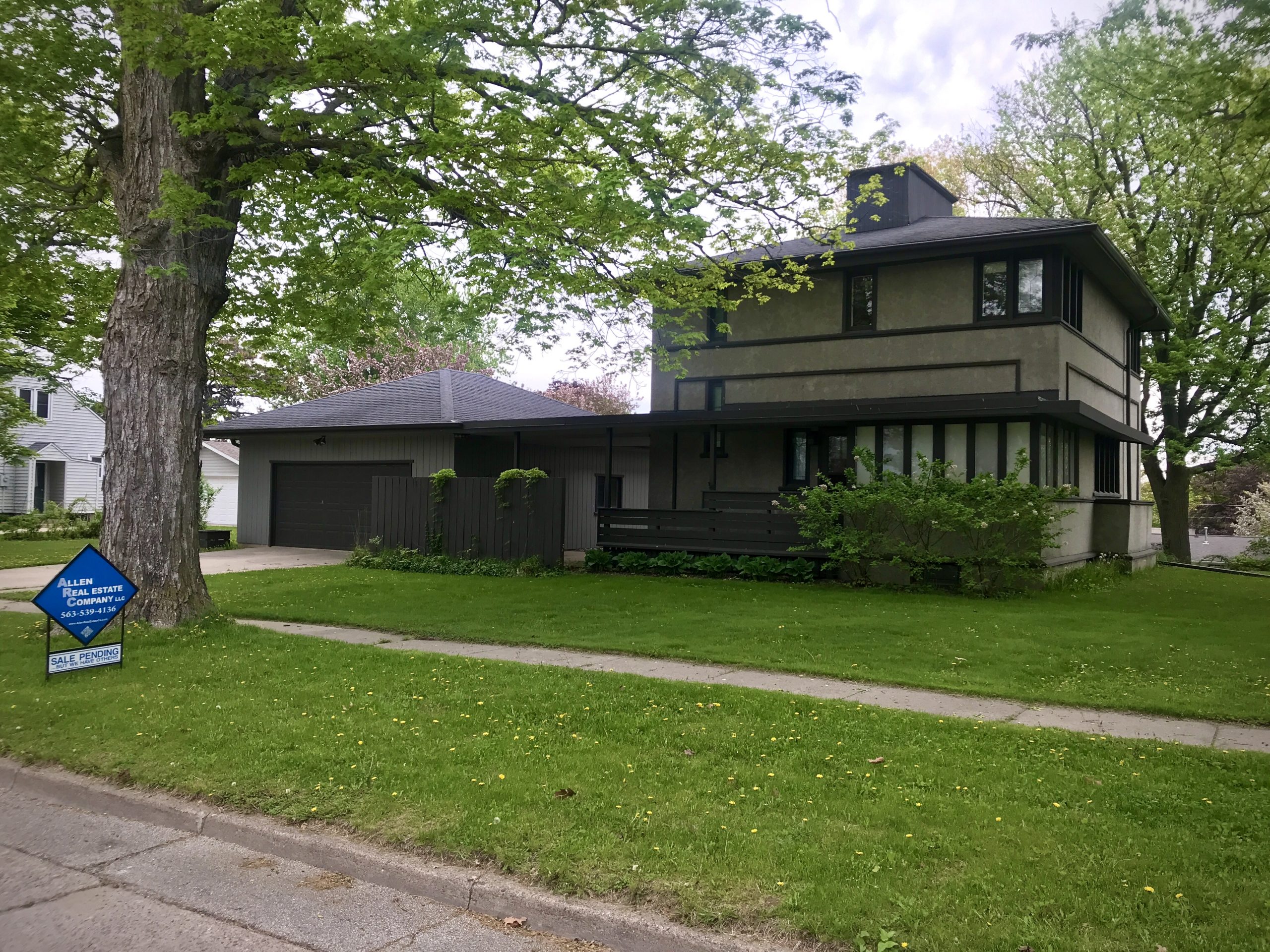
And that’s why we’re selling. We know that to do right by the house, we need to pass it along to the next stewards. We’re not here as often as we’d like and that’s keeping us from projects that would further improve the house. This is a house to be lived in, to be enjoyed. So, with lumps in our throats and tears in our eyes, we’ve placed a For Sale sign on the front lawn. We’re proud of what we have been able to accomplish in our time here – the work we’ve done, the people we’ve met, the book we published. This is a bittersweet goodbye – we truly adore this house but it will be nice to settle in one place for a while. And those ghosts? They will live with us even when we return to Chicago full-time.


Warning: Undefined variable $post in /var/www/html/wp-content/plugins/hemlock-core/inc/social_share.php on line 22

Warning: Attempt to read property "ID" on null in /var/www/html/wp-content/plugins/hemlock-core/inc/social_share.php on line 22
American System-Built Home, Frank Lloyd Wright, history

It’s Almost Here! Buy Our Book about The Meier House and American System-Built Homes!

07/05/2021
This American House - The Book!

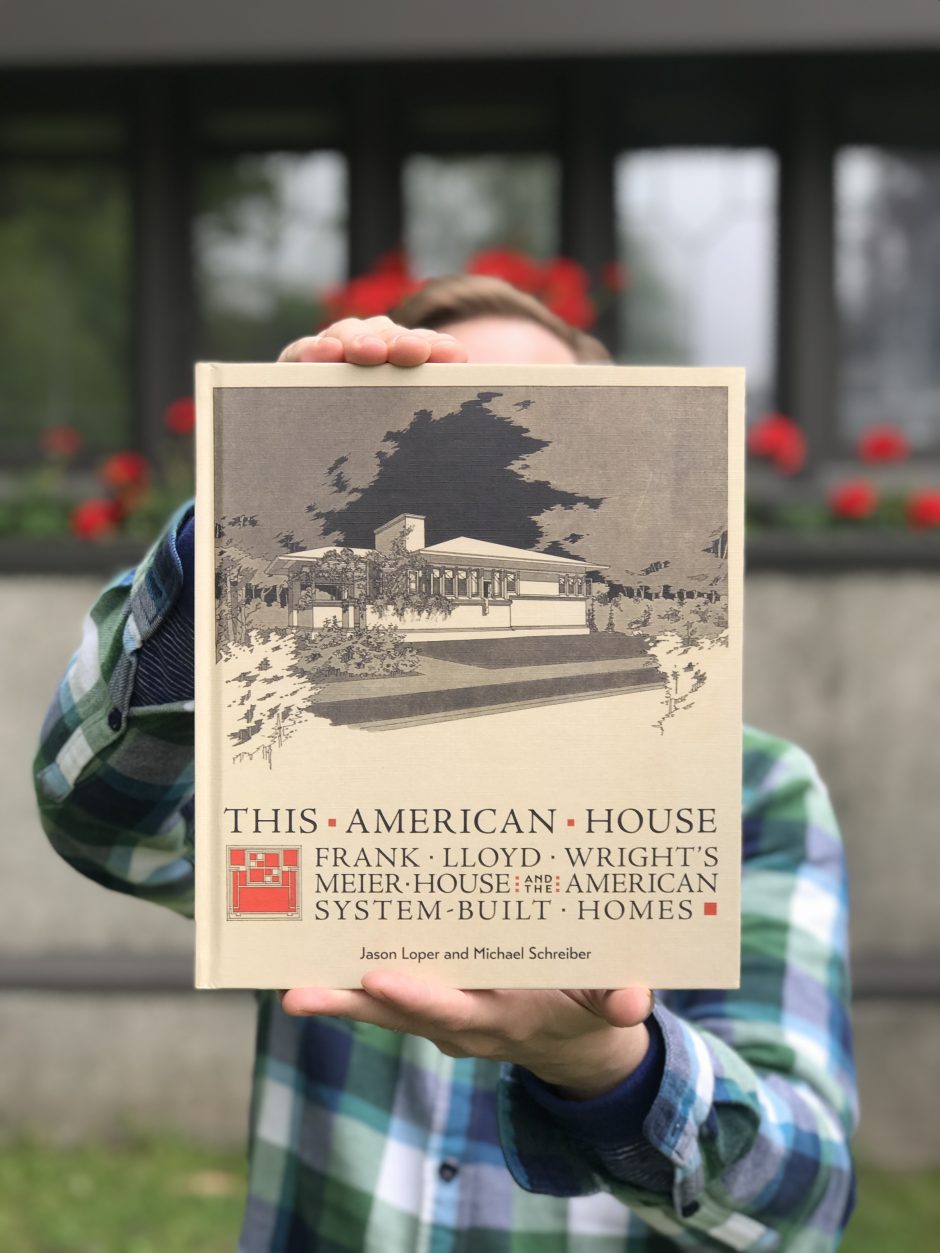
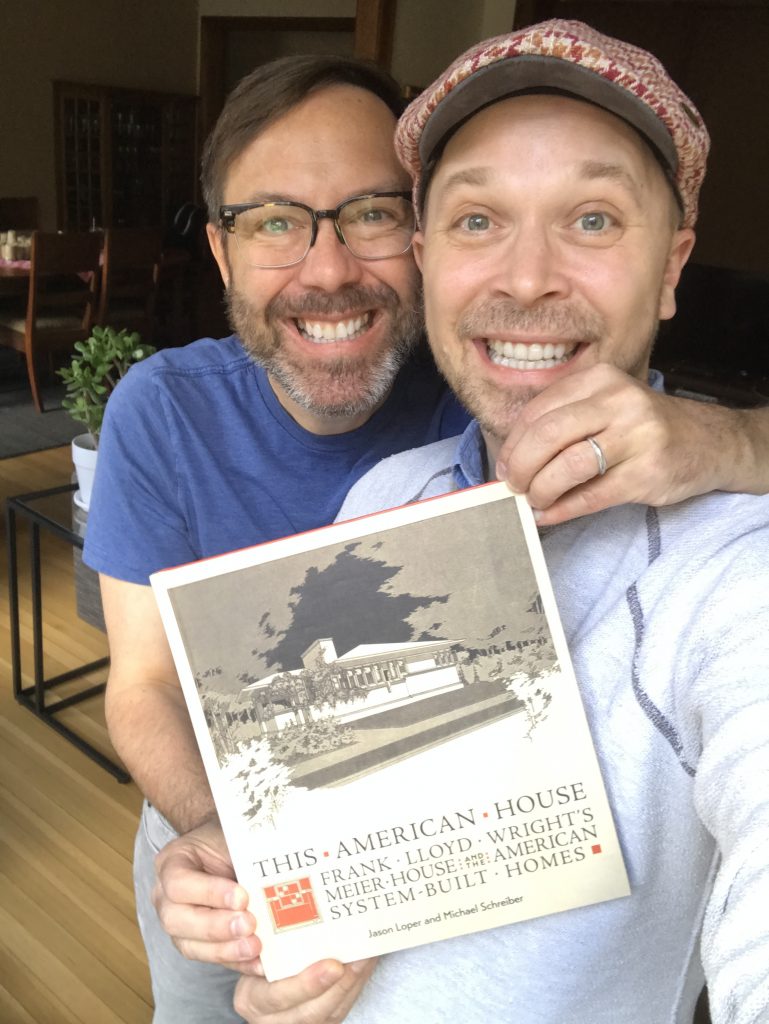
We recently got our mitts on a copy of our forthcoming book, This American House: Frank Lloyd Wright’s Meier House and the American System-Built Homes, and It. Is. Gorgeous. We consider ourselves fortunate to have worked with the talented editors and designers at Pomegranate. They were a dream team throughout the journey – even when a global pandemic and supply chain issues popped up along the way! We submitted our manuscript and a giant file of images back in July of 2019 and the team at Pomegranate produced a beautiful book that makes us proud.

Holding the book is especially sweet because it was a long, long journey to get it into print. First, of course, was the research. When we bought the Meier House in 2013, we immediately dived into researching the American System-Built Home project and gathering the history of our little piece of it. We interviewed former owners, searched through the Wright archives at the Avery Architectural and Fine Arts Library, compared notes with other ASBH owners and spent countless hours scrolling through blogs, websites and library records. We shared some of our findings here on the blog over the years but we always had an eye toward collecting the history in a book.

We went on to sign a book contract with Pomegranate in 2018. The time had finally come to sort through all the information we had collected over the years and form it into a manuscript. As we did so, we identified the five chapters of what would become the This American House book:

  • An American Plan: An overview of the American System-Built Homes project and where they sit in Frank Lloyd Wright’s canon of work.
  • A Home in a Prairie Town: The story of Delbert and Grace Meier, the colorful couple who built this American System-Built Home, and their connection to Northeast Iowa.
  • This American House: A snapshot of how the Meiers built a Model M202 in 1917 Iowa.
  • If These Walls Could Talk: Stories from the families who called the Meier House their home.
  • The Accidental Archivists: How a couple from Chicago (that’s us!) found their way to a 100-year-old house and what they’re doing to preserve it.

It took us a little over six months to write the manuscript and collect all the images we wanted to include. That meant obtaining images from libraries and other resources, photographing every standing American System-Built Home and working with former owners to find old photos of our house. It also meant finishing a slew of projects at the Meier House so we could get interior and exterior photos that would be included in the book.

When we submitted all the materials in summer of 2019, we were expecting a 2020 book release. Oh but the world had other ideas! As the COVID-19 pandemic shut down the world, it also put a pause on the publishing industry. The folks at Pomegranate very wisely decided to push back release of our book by a year. We were disappointed (naturally!) but considering what we all endured in 2020, it didn’t seem like something we had any right to complain about.

But now, almost three years after signing the contract, This American House: Frank Lloyd Wright’s Meier House and the American System-Built Homes is finally here! Well, almost. The book is scheduled for release on July 15, 2021 … but now we’re experiencing some shipping issues that may cause a slight delay. In the meantime, you can pre-order the book from Amazon or your favorite local bookstore.

We can’t wait for you all to hold This American House in your hands! Stay tuned for book excerpts and behind-the-scenes stories as we excitedly await its release.


Warning: Undefined variable $post in /var/www/html/wp-content/plugins/hemlock-core/inc/social_share.php on line 22

Warning: Attempt to read property "ID" on null in /var/www/html/wp-content/plugins/hemlock-core/inc/social_share.php on line 22
American System-Built Home, architecture, history, house tour

VIRTUAL TOUR OF THE MEIER HOUSE: HISTORY OF AN AMERICAN SYSTEM-BUILT HOME

05/17/2021

Have you ever gazed at the walls of your home and wondered what lives they’ve beheld? We have. In nearly every home we’ve shared over our twenty-year relationship, we’ve pondered aloud about the lives that existed within the space. And then we bought an old house designed by Frank Lloyd Wright, one of his American System-Built Homes, an early 20th century pre-fab project, and our curiosity got the best of us. As it turns out, these walls can talk. And we’ve been listening.

When we bought our American System Built-Home in 2013, we entered into a relationship not only with the house but its former inhabitants as well. At the time, there was scant information about Frank Lloyd Wright and Arthur Richards’ early-20th century ready-made housing plan. To learn about American System Built-Homes, we went to official sources – like the Avery Library, where all 900+ original ASB drawings are cataloged. But to learn about our house, a Model M202 known as the Delbert and Grace Meier House, we turned to local experts – the people who used to call it home. Collecting former homeowner stories and learning the history of Wright’s ready-built home scheme may have eventually led to our upcoming book, but we didn’t start out with such grand ambitions.

We initially set out to simply satisfy our own curiosity. How did this American System-Built Home end up being constructed in small town Iowa? Who were the people who made this house a home over its 100+ year history? How has the house changed over that period? We had questions and, as we often do, we went in search of answers. We didn’t have a book in mind when we started out. But we did assume that the more information we collected, the better we could represent our house to fans of Wright’s architecture who frequently contact us (or visit) for information.

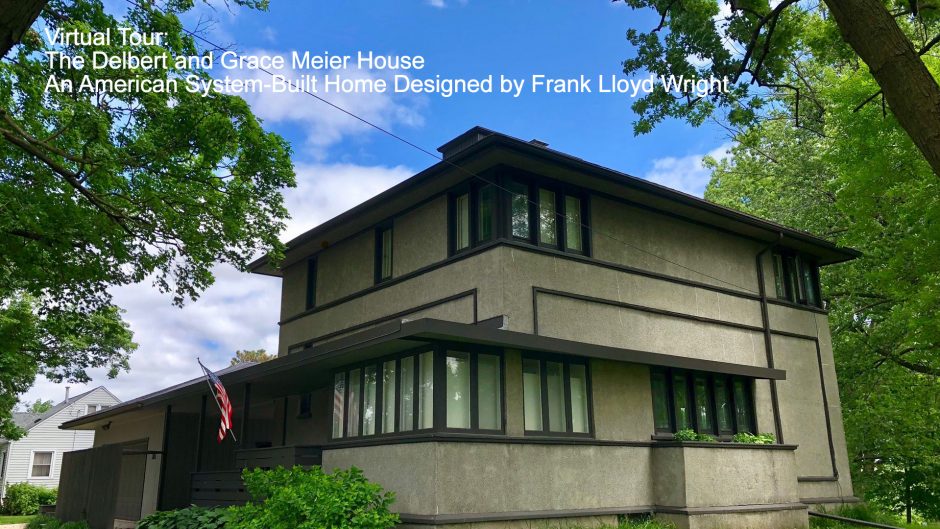
The people we met and the information we gathered tell a wonderful story – not just about the house but its inhabitants. This video tour provides a brief overview of the history of the Delbert and Grace Meier House, its owners and the changes that have occurred over its long history. It includes photos of the house and its owners dating back to the 1920s along with the modern snapshots that reveal the progress we’ve been in our time as stewards.

To get the full story of this marvelous old house, order a copy of our book: This American House: Frank Lloyd Wright’s Meier House and The American System-Built Homes.


Warning: Undefined variable $post in /var/www/html/wp-content/plugins/hemlock-core/inc/social_share.php on line 22

Warning: Attempt to read property "ID" on null in /var/www/html/wp-content/plugins/hemlock-core/inc/social_share.php on line 22