Browsing Category

Frank Lloyd Wright

Frank Lloyd Wright, history, iowa

The Hope Rogers Story: From Mental Illness … to Making a Difference

07/03/2025

I was so pleased and proud to accept a 2025 George Mills and Louise Noun Popular History Award from the State Historical Society of Iowa in Des Moines on June 26th! I received a wonderfully unexpected certificate of recognition for my article, “The Hope Rogers Story,” which was originally published in the May 2024 issue of The Iowa Source.

It was an absolute honor and joy to know the remarkable Hope Sankot Rogers (1924-2023) in the final years of her long, extraordinary life. The grandniece of Frank Lloyd Wright, Hope rose from being a hardscrabble Iowa farmwife to a trailblazing politician who bravely, publicly revealed her journey through a past mental health crisis. I am working now on publishing a newly expanded version of Hope’s powerfully and beautifully-written memoir Time and the Human Robot. This little award provides some mighty encouragement!

I’m so pleased to be able to reshare “The Hope Rogers Story” with you here on This American House. It can also be found at Iowa Source.  

Hope Rogers at work at the Benton County Social Welfare Office in 1955

“When I waked from my ninth electric shock treatment at the Independence, Iowa Mental Health Institute in March of 1953, I discovered what I really was. I was an animal.”

Continue Reading…

Warning: Undefined variable $post in /var/www/html/wp-content/plugins/hemlock-core/inc/social_share.php on line 22

Warning: Attempt to read property "ID" on null in /var/www/html/wp-content/plugins/hemlock-core/inc/social_share.php on line 22
Frank Lloyd Wright, iowa

The Architect’s Father: A Reconsideration of William Cary Wright, The Father of Frank Lloyd Wright

07/16/2023

A THIS AMERICAN HOUSE EXCLUSIVE

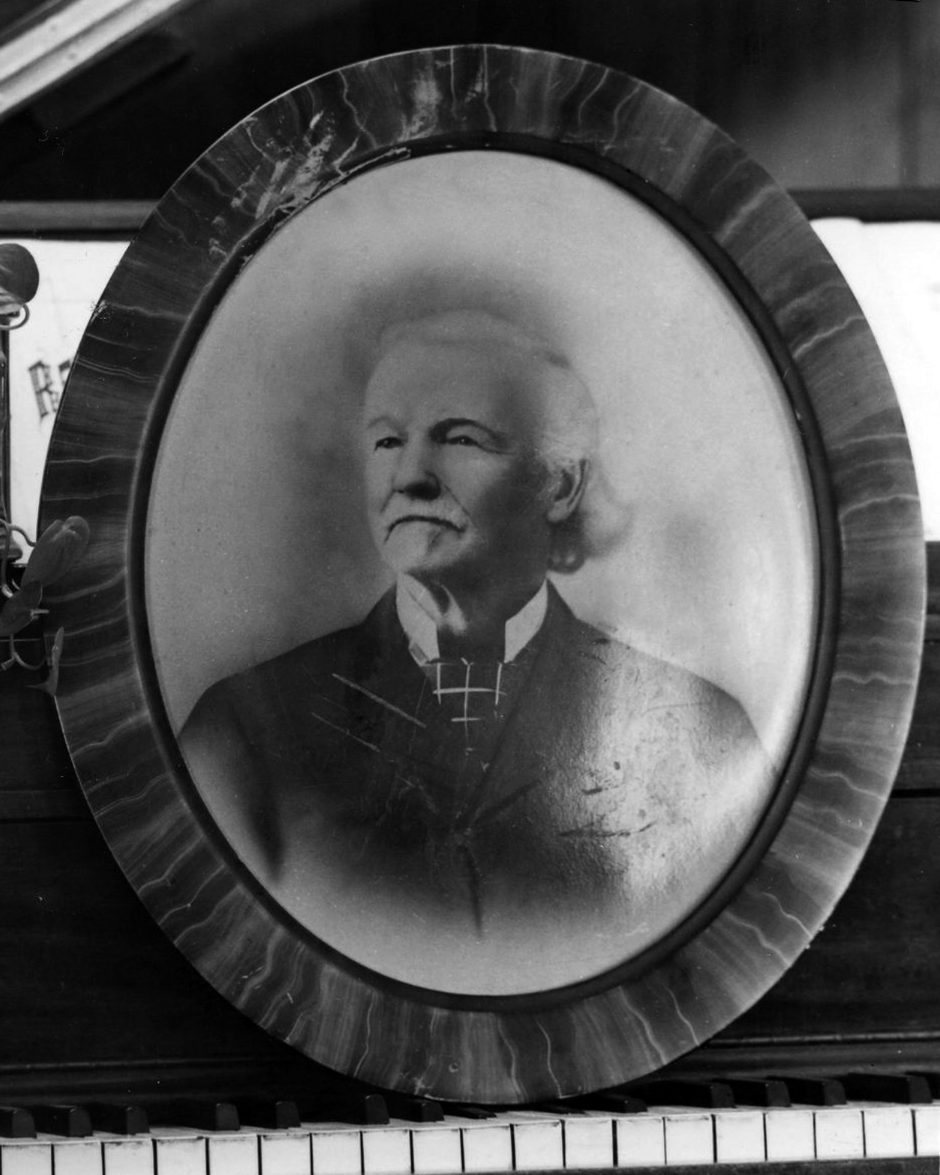
Hope Rogers can be forgiven for not remembering her one meeting with Frank Lloyd Wright—she was just four years old at the time. It was 1928, and her world-famous great-uncle had materialized at a family reunion hosted by Hope’s parents, Frank and Frances Heller Sankot, on their farm near Belle Plaine, Iowa. Hope’s grandmother, Elizabeth “Lizzie” Wright Heller, was also there that day to greet her half-brother, Frank Lloyd Wright, whose stellar career—and much-publicized scandals—Lizzie had closely followed, even though the two siblings had not remained in close contact through the years. But as Hope was later told, “Frank took such a fancy to my 11 year old brother, Herb Sankot, that Frank said he ‘wanted to take Herb back to Taliesin with him and make an architect of him.’ Whereupon Lizzie told her brother he ‘was not a fit person to raise a child.’ They had a terrible argument, both probably saying unforgivable things so that Frank later left Lizzie out of his autobiography and she came near leaving Frank out of hers.”

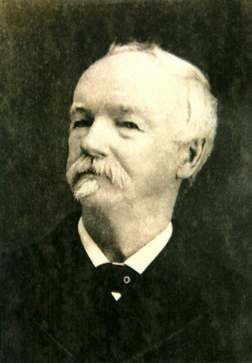
Not only was Elizabeth Wright Heller left out of Frank Lloyd Wright’s autobiography, but she has received scant mention in the many biographies and writings about her half-brother that have appeared in the 95 years since their last encounter. Meanwhile, any mention made of the father they shared, William Cary Wright, has typically acknowledged his musical influence on his famous son, but has also dismissively characterized him as a drifter who ultimately abandoned his family. Some recent scholars—including Paul Hendrickson in his 2019 book Plagued by Fire: The Dreams and Furies of Frank Lloyd Wright—have taken aim at righting this misperception by pulling William Cary Wright more fully out of the shadows to which he has long been consigned. But Hope Rogers, who celebrated her 99th birthday this February, remains the indefatigable caretaker and champion of her great-grandfather and grandmother’s legacies, hopeful that both will more widely and lastingly find their “Wrightful” places in the extraordinary story of their famous family.

Elizabeth Wright Heller and her granddaughter, Hope Sankot (later Rogers), during the years of Lizzie’s musical mentorship, and their work together on Lizzie’s memoir. (Images courtesy of Hope and Mary C. Rogers)

William Cary Wright was a composer and teacher of music—and also at times a minister, lawyer, and doctor—from whom both Lizzie and her half-brother Frank learned piano and developed a lifelong appreciation for music. Frank Lloyd Wright would often cite the tremendous inspiration and impact of Beethoven, Bach, and Brahms on his work, once stating, “Never miss the idea that architecture and music belong together. They are practically one.” His father “is still a grossly underappreciated force in shaping Frank’s creative method,” says the music historian David Patterson, who in 2013 produced the first CD recording of a selection of William’s music. “The lessons that he taught about music were especially potent, working their way into Frank’s fundamental notions of architecture” (Patterson 2013).

Continue Reading…

Warning: Undefined variable $post in /var/www/html/wp-content/plugins/hemlock-core/inc/social_share.php on line 22

Warning: Attempt to read property "ID" on null in /var/www/html/wp-content/plugins/hemlock-core/inc/social_share.php on line 22
American System-Built Home, Frank Lloyd Wright, history

It’s Almost Here! Buy Our Book about The Meier House and American System-Built Homes!

07/05/2021
This American House - The Book!

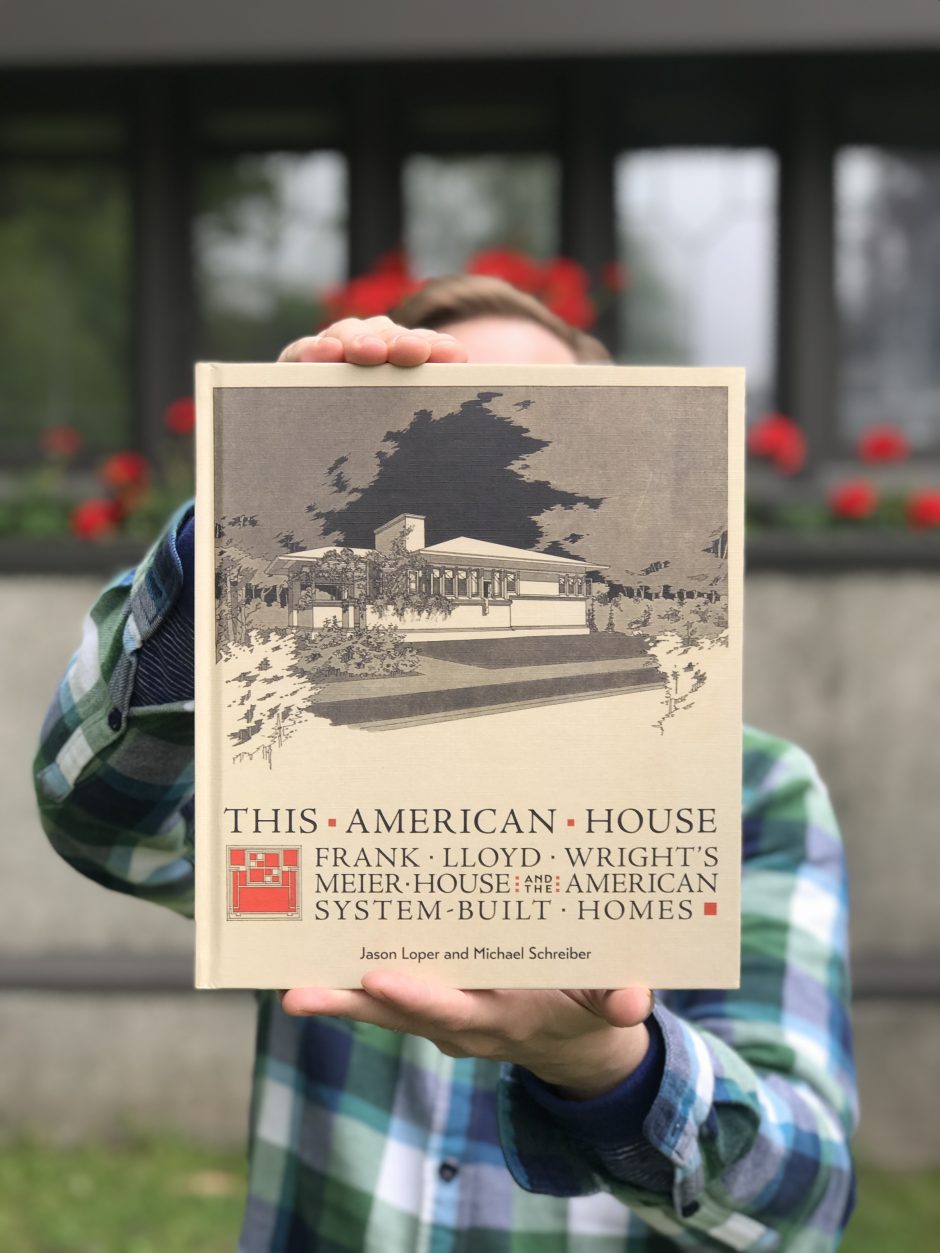
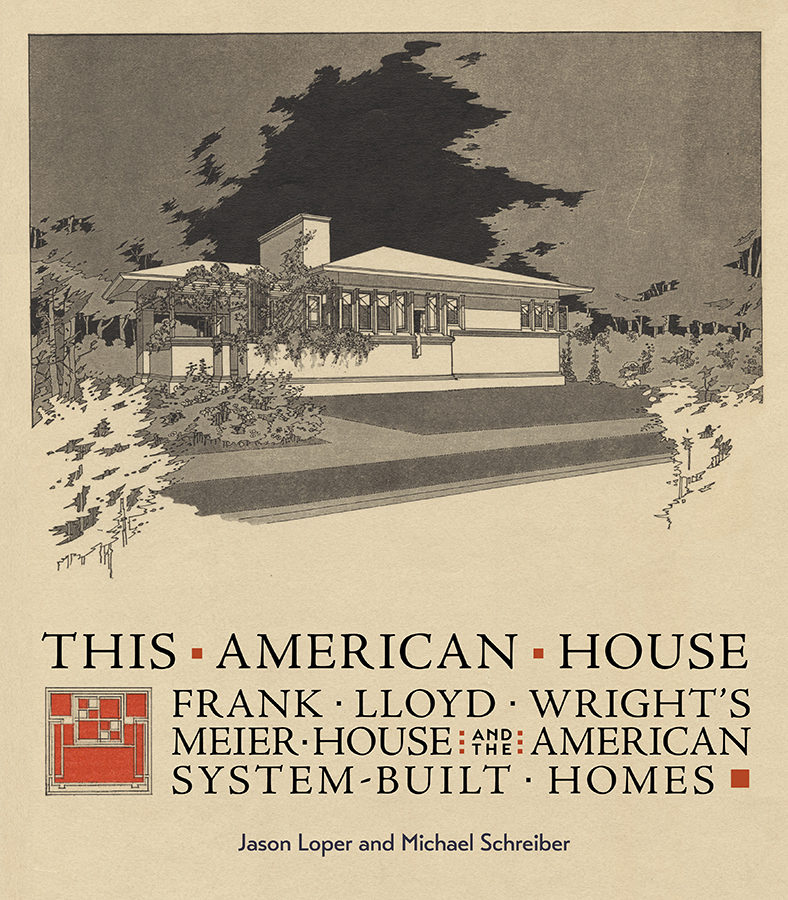
We recently got our mitts on a copy of our forthcoming book, This American House: Frank Lloyd Wright’s Meier House and the American System-Built Homes, and It. Is. Gorgeous. We consider ourselves fortunate to have worked with the talented editors and designers at Pomegranate. They were a dream team throughout the journey – even when a global pandemic and supply chain issues popped up along the way! We submitted our manuscript and a giant file of images back in July of 2019 and the team at Pomegranate produced a beautiful book that makes us proud.

Holding the book is especially sweet because it was a long, long journey to get it into print. First, of course, was the research. When we bought the Meier House in 2013, we immediately dived into researching the American System-Built Home project and gathering the history of our little piece of it. We interviewed former owners, searched through the Wright archives at the Avery Architectural and Fine Arts Library, compared notes with other ASBH owners and spent countless hours scrolling through blogs, websites and library records. We shared some of our findings here on the blog over the years but we always had an eye toward collecting the history in a book.

We went on to sign a book contract with Pomegranate in 2018. The time had finally come to sort through all the information we had collected over the years and form it into a manuscript. As we did so, we identified the five chapters of what would become the This American House book:

  • An American Plan: An overview of the American System-Built Homes project and where they sit in Frank Lloyd Wright’s canon of work.
  • A Home in a Prairie Town: The story of Delbert and Grace Meier, the colorful couple who built this American System-Built Home, and their connection to Northeast Iowa.
  • This American House: A snapshot of how the Meiers built a Model M202 in 1917 Iowa.
  • If These Walls Could Talk: Stories from the families who called the Meier House their home.
  • The Accidental Archivists: How a couple from Chicago (that’s us!) found their way to a 100-year-old house and what they’re doing to preserve it.

It took us a little over six months to write the manuscript and collect all the images we wanted to include. That meant obtaining images from libraries and other resources, photographing every standing American System-Built Home and working with former owners to find old photos of our house. It also meant finishing a slew of projects at the Meier House so we could get interior and exterior photos that would be included in the book.

When we submitted all the materials in summer of 2019, we were expecting a 2020 book release. Oh but the world had other ideas! As the COVID-19 pandemic shut down the world, it also put a pause on the publishing industry. The folks at Pomegranate very wisely decided to push back release of our book by a year. We were disappointed (naturally!) but considering what we all endured in 2020, it didn’t seem like something we had any right to complain about.

But now, almost three years after signing the contract, This American House: Frank Lloyd Wright’s Meier House and the American System-Built Homes is finally here! Well, almost. The book is scheduled for release on July 15, 2021 … but now we’re experiencing some shipping issues that may cause a slight delay. In the meantime, you can pre-order the book from Amazon or your favorite local bookstore.

We can’t wait for you all to hold This American House in your hands! Stay tuned for book excerpts and behind-the-scenes stories as we excitedly await its release.


Warning: Undefined variable $post in /var/www/html/wp-content/plugins/hemlock-core/inc/social_share.php on line 22

Warning: Attempt to read property "ID" on null in /var/www/html/wp-content/plugins/hemlock-core/inc/social_share.php on line 22
American System-Built Home, architecture, Frank Lloyd Wright, history

Coming Soon: The This American House Book!

02/14/2021

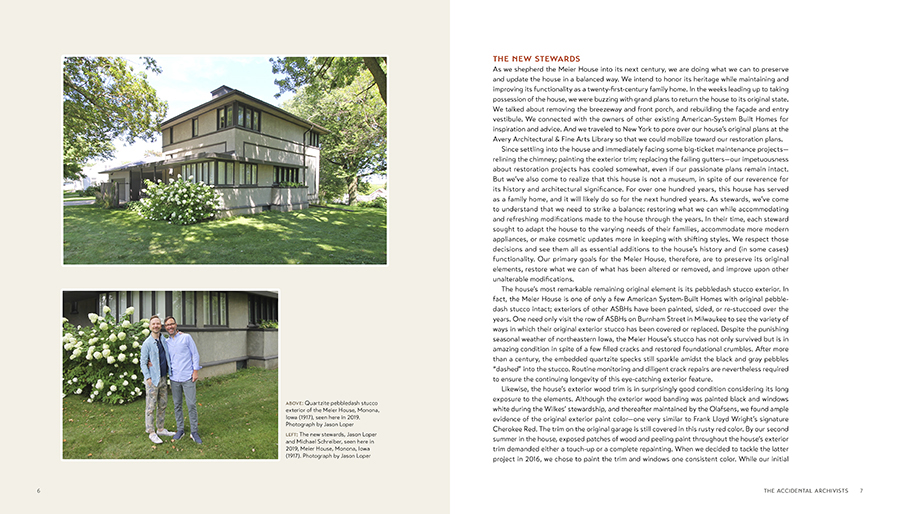
We’re thrilled to announce the forthcoming release of our book, This American House: Frank Lloyd Wright’s Meier House and the American System-Built Homes! Beautifully published by Pomegranate and due out on July 15th, the book provides an historical overview of Wright’s overlooked American System-Built Homes project of the 1910s. Our home, the Meier House, is one of the few existing examples of this early effort of Wright’s to provide affordable but architecturally distinctive housing for the middle class. Our book, This American House, chronicles the storied history of the Meier House and our efforts to steward this early 20th century Prairie style gem into the 21st century.

We look forward to sharing the book with you soon! 

House vs. Home: New book revisits Frank Lloyd Wright’s work through the lives of its inhabitants

This American House follows authors Jason Loper and Michael Schreiber, owners of the Meier House, as they trace its history through previous owners.

PORTLAND, Ore., January 25, 2021 — Pomegranate has published dozens of architecture books throughout its over-50-year history, several featuring Frank Lloyd Wright and his work. Their upcoming release takes a different approach to how we view architecture: how buildings change with the people who live in them and the role homeowners take on in exchange. In This American House, Jason Loper and Michael Schreiber—husbands, authors and current owners of the Meier House—explore that interconnectedness with enthusiasm and empathy.

2020 saw people across the world spending more time in their homes than ever before as a result of the COVID-19 pandemic. Families held off going out to eat or on vacation, and many began working and schooling from home. As a result, the way we interacted with our homes on a daily basis changed.

“A living room is no longer just a living room; it’s an office, a classroom and a playground all-in-one,” says Cory Mimms, publisher at Pomegranate. “Many of us used to live parts of our lives at home: the intimate moments of getting ready for school or work, sharing meals, going to bed. Now, we are living every aspect of our identity in the same space, whether that’s spouse or parent, friend or coworker or even activist. Inevitably, that changes the feelings we have about where we live.”

When Loper and Schreiber set out to buy a home several years ago, they certainly didn’t envision one suited to a pandemic, nor did they picture buying one with a pedigree. In fact, they had imagined a cozy getaway cabin not far from their life in Chicago. What they got instead was a big house in a small town and one of the few American System-Built Homes constructed from Frank Lloyd Wright’s designs. In doing so, they took on not just a mortgage, but also a long history of stewardship, ushering the house into a new period of time while retaining its original meaning and charm.

Inspired by that history, the two began compiling a record of their experiences, those of the previous residents and the role of the American System-Built Homes within Wright’s oeuvre. Featuring over 120 photographs and architectural drawings, This American House: Frank Lloyd Wright’s Meier House and the American System-Built Homes will be available this July.

Pre-order your copy on Amazon or contact your favorite local bookstore to order it!

Warning: Undefined variable $post in /var/www/html/wp-content/plugins/hemlock-core/inc/social_share.php on line 22

Warning: Attempt to read property "ID" on null in /var/www/html/wp-content/plugins/hemlock-core/inc/social_share.php on line 22
American System-Built Home, Frank Lloyd Wright, history

American System Built Homes: A Complete List of Frank Lloyd Wright’s Early Prefab Homes

02/10/2021

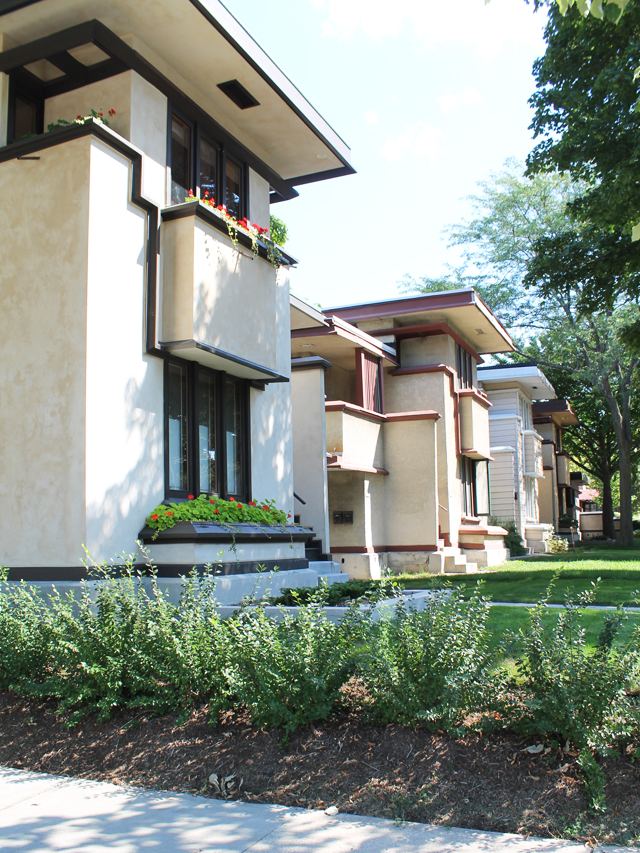
Burnham Street Two Flats

*This list was updated February 2021. We will continue to add American System-Built Homes to this page as they are discovered and verified.

When most people think of Frank Lloyd Wright they think of his impressive roster of spectacular custom designed homes. But Wright was also an early proponent of design for the masses. While his Usonian homes might be more commonly known, Wright was dabbling in prefab as early as the nineteen-teens. By 1915 Wright had partnered with Milwaukee builder Arthur Richards to create what would come to be known as American System Built Homes. The venture was interrupted by the United States’ entry into World War I (as well as infighting between Richards and Wright) but not before a number of ASB homes were built in the midwest. How many were built? We’re not sure, actually. There are a few ASB homes that have been demolished over the years and some others that are still being discovered.

Continue Reading…


Warning: Undefined variable $post in /var/www/html/wp-content/plugins/hemlock-core/inc/social_share.php on line 22

Warning: Attempt to read property "ID" on null in /var/www/html/wp-content/plugins/hemlock-core/inc/social_share.php on line 22